
The Boy and the Silent One
The Painted BirdThis flow traces the boy’s uneasy recognition of a fellow child’s chosen silence, their gradual alliance, and the decisive acts that reveal both solidarity and the limits of revenge.
increasing Bearing strength in each event
 decreasing
Bearing strength in each eventdecreasingA Troubling Resemblance
A Troubling Resemblance
Two Forms of Silence
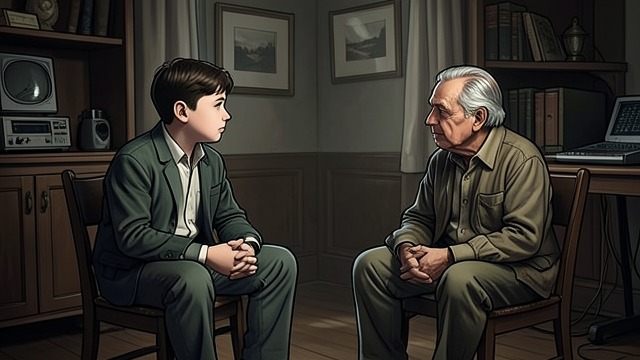
At the Children’s home, the boy meets an older child known as the Silent One, who has chosen not to speak even though he is physically able to. The boy worries that friendship with him will lead others to think that the boy’s own muteness is deliberate.
Distance Before Trust
Their silence initially separates them. The boy reads the other child’s refusal to speak as a possible mockery of his own inability, so neither immediately offers the companionship the other might need.
The tension reflects the boy’s fear that others will misinterpret his condition. Their eventual relationship will depend not on spoken assurances but on actions that demonstrate what each understands about the other.
Help in the Corridor
Help in the Corridor
An Unexpected Intervention
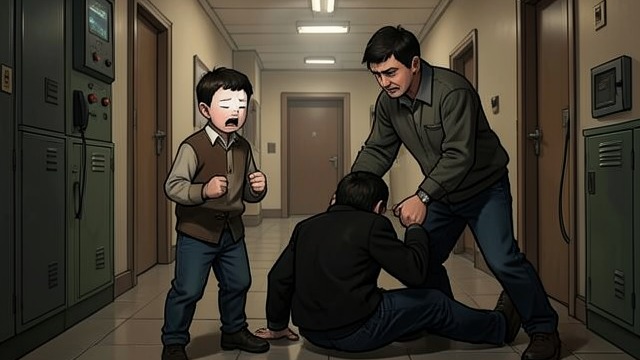
When a boy is beating the narrator in a corridor, the Silent One intervenes and knocks the attacker down. The gesture changes the terms of their contact: instead of remaining a rival or a reminder of voluntary silence, the Silent One becomes someone who has acted on the boy’s behalf.
Loyalty Returned
The next day the narrator feels obliged to fight on the Silent One’s side when a scuffle breaks out. Their alliance begins with reciprocal action rather than conversation, each answering the other’s help in the only immediate language available to them.
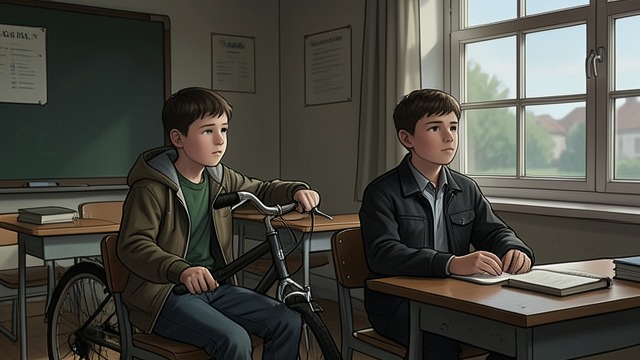
They then sit together at the back of the classroom. Their growing closeness offers the boy protection in an institution where violence is routine and adult supervision is unreliable.
A Private Language
A Private Language
Notes and Signs
The boys first exchange written notes and then develop a way to communicate by signs. Their understanding does not depend on explaining their silences to other people; it grows through repeated attention to one another’s gestures.
Shared Escapes
The Silent One accompanies the narrator on trips to the railway station and around the city. Together they steal a bicycle, explore places closed or forbidden to them, and roam at night, with the stronger Silent One often taking the lead.
Their friendship gives the narrator a peer relationship shaped by complicity and adventure rather than adult supervision. It also grants him a rare experience of being understood without having to speak.
A Dangerous Shared Ritual
A Dangerous Shared Ritual
Risk as Recognition
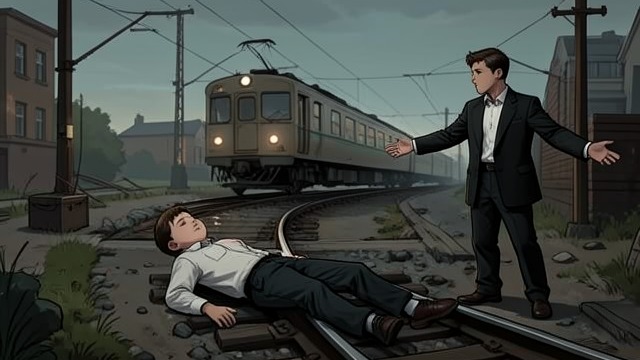
The narrator lies between railway tracks as a train passes above him, while the Silent One gathers an audience. The feat helps the narrator assert courage among boys who might otherwise prey on him, and the Silent One approaches afterward with protective concern disguised as casualness.
Power at the Switch
The two friends also learn to move the mechanism at an unfinished railway spur. The Silent One later uses it to derail a market-day train, while the narrator watches from nearby and learns that their private control of the switch has become a power over strangers’ lives.
The episode draws them into a dangerous intimacy built on secrecy. Their shared act does not prove that they understand one another’s moral limits, only that they can participate in a consequential plan without words.
The Limits of Revenge
The Limits of Revenge
A Failed Retribution
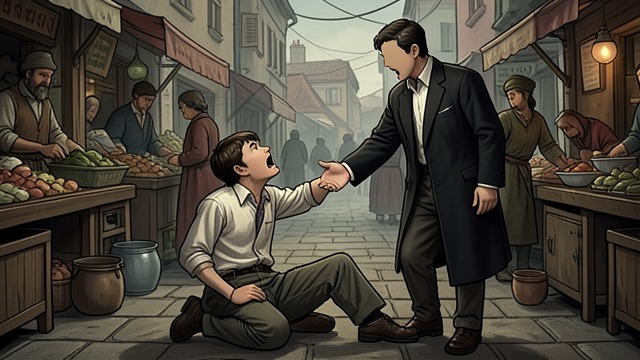
The Silent One takes the boy to the market and signals his pleasure at the apparent deaths of people connected to the derailment. But the farmer who beat the narrator is alive at his stand, and the Silent One’s expectation that revenge has been accomplished collapses.
The One Spoken Cry
The Silent One leaves the market with the narrator, then falls onto the grass and cries out in pain. It is the only time the narrator hears his voice, and the sound reveals the grief concealed beneath their long practice of signs and shared silence.
The moment does not resolve the moral damage of the derailment or provide a clear explanation for the Silent One’s act. It does, however, make their bond newly vulnerable: the friend who had seemed unreadable has exposed anguish that the narrator cannot answer with words.
Soon after the boy arrives at the Children’s home
Soon after their first encounter
During the boys’ growing friendship
During the weeks before the market-day derailment
On the market day after the derailment
